Research Context
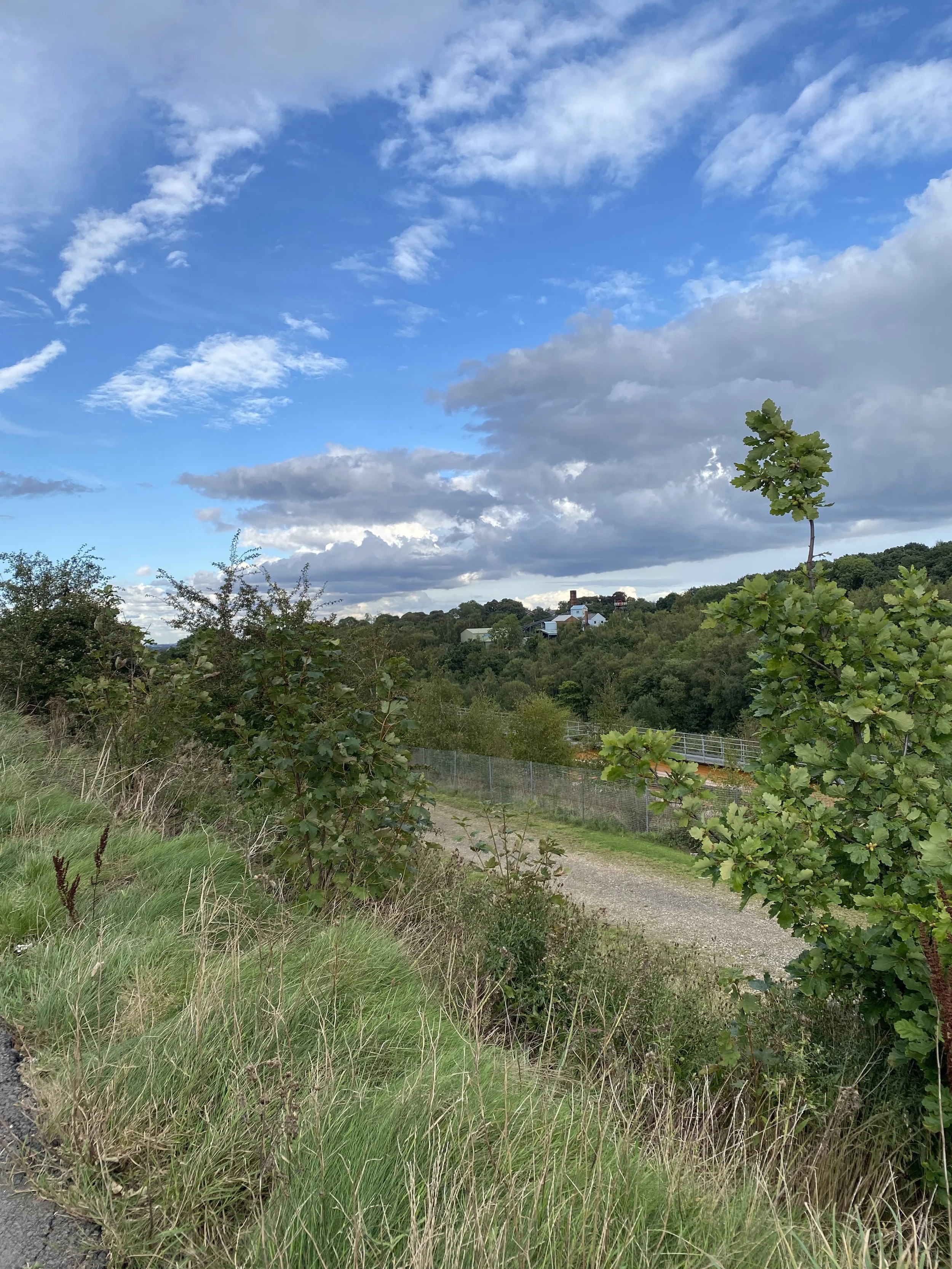
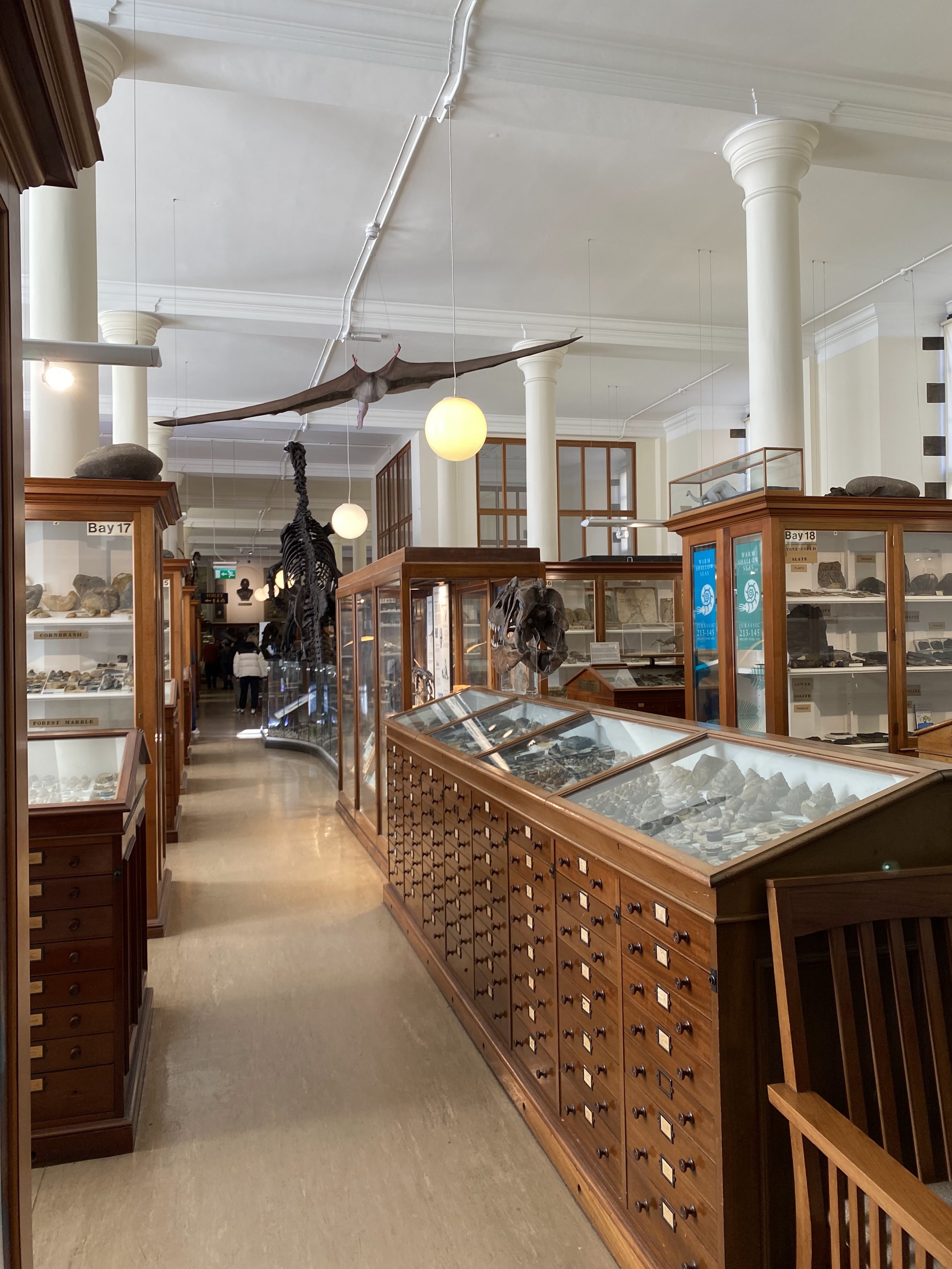
Coalfields developed through research across a series of sites that informed both the geological and symbolic frameworks of the project. Work at the Sedgwick Museum of Earth Sciences, Cambridge, and the National Coal Mining Museum for England provided insight into the scientific and industrial systems used to map, classify, and extract the ground. These contexts foreground geology as a discipline that renders the subsurface visible and measurable, enabling the identification and removal of coal as resource.
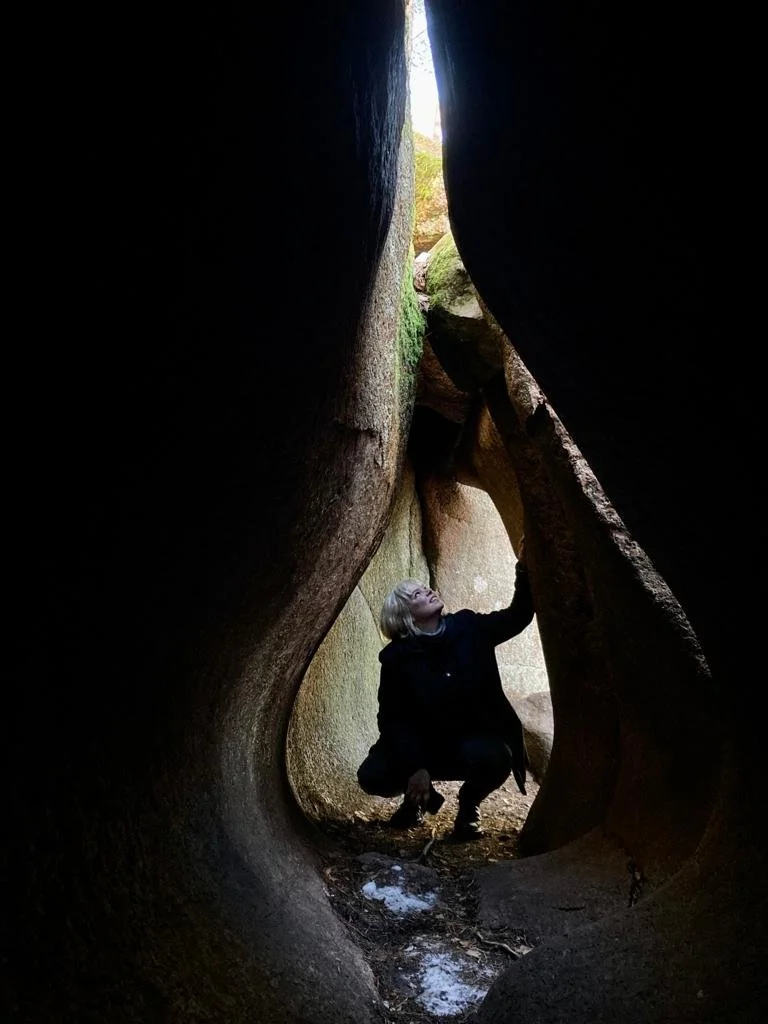
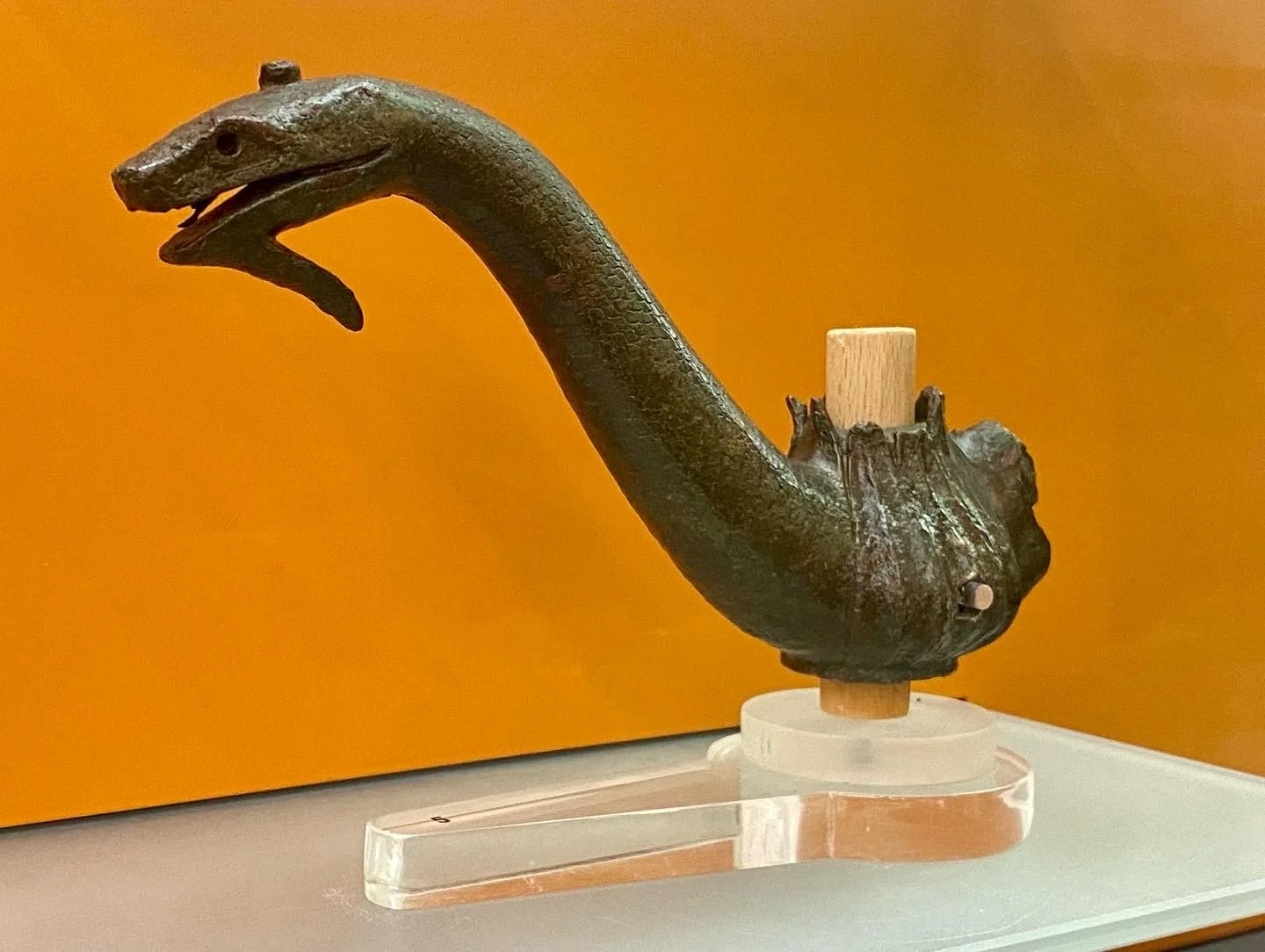
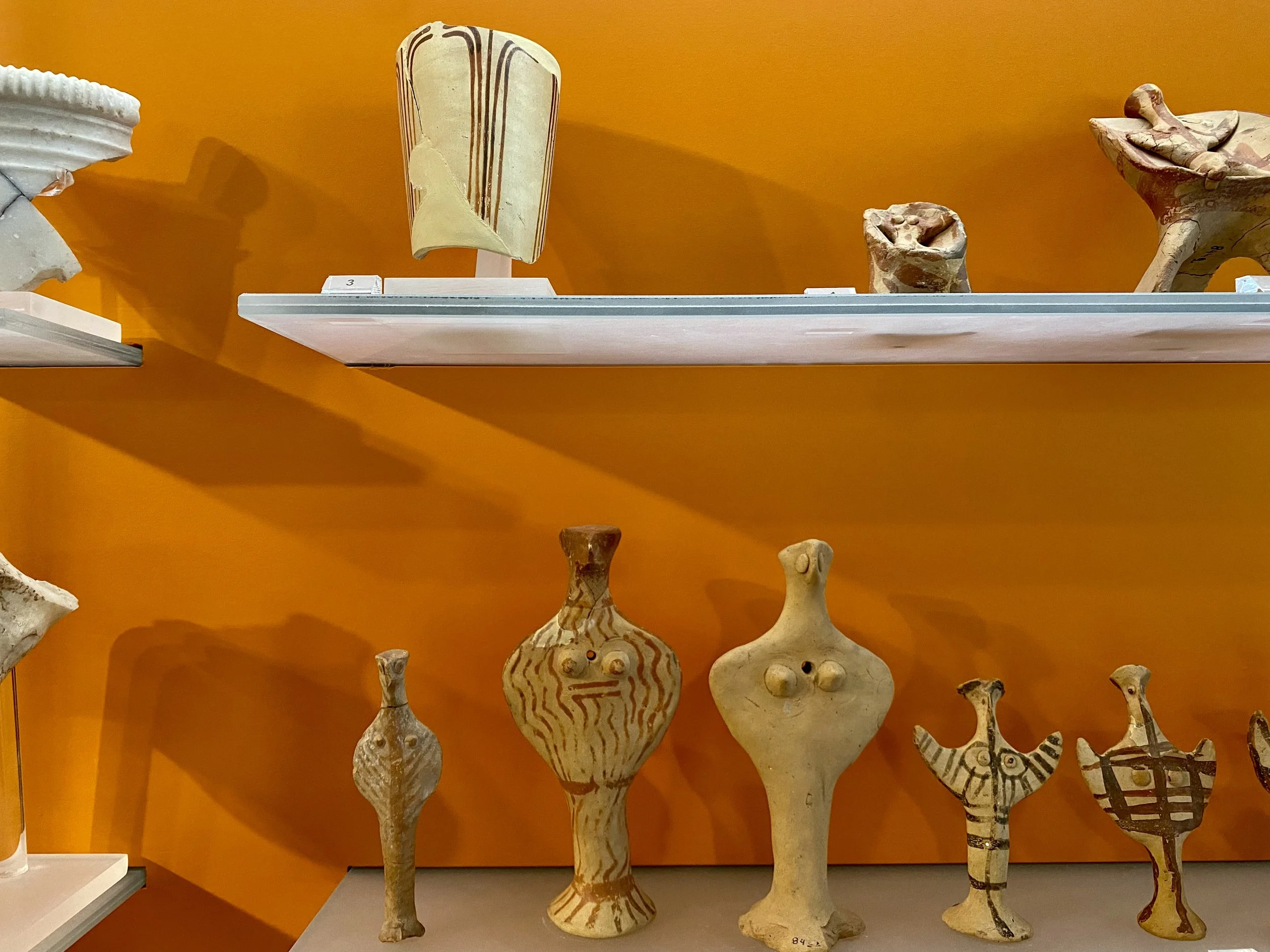
This research was expanded through engagement with sites associated with myth, ritual, and the symbolic meaning of the underground, including the Delphi Museum in Greece and Hogberget Cave in Finland. These locations offer alternative ways of understanding descent, where caves and subterranean spaces are positioned as sites of transformation, prophecy, and encounter.
Bringing these contexts together, Coalfields operates between geological knowledge and cultural meaning, positioning the mine not only as a geological and extractive space, but as one embedded within longer histories of belief, narrative, and imagination.
Geological Mapping and Extraction
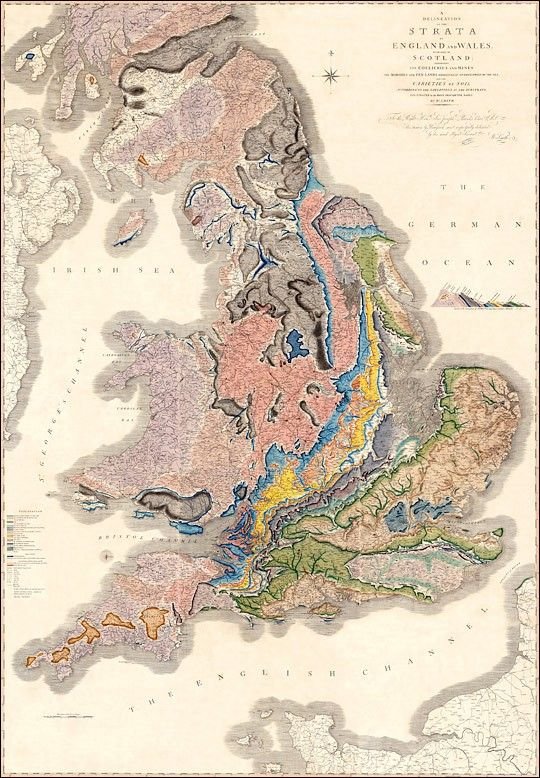
Central to this research is the legacy of early geological mapping, particularly the work of William Smith, whose 1815 geological map established a method for reading the strata beneath the surface. These systems of classification enabled the location and extraction of coal, embedding industrial processes within both the physical landscape and the visual language used to represent it.
Through this lens, the map becomes more than a scientific tool. It operates as a blueprint for extraction, where knowledge of the subsurface is directly tied to its exploitation.
Site and Encounter
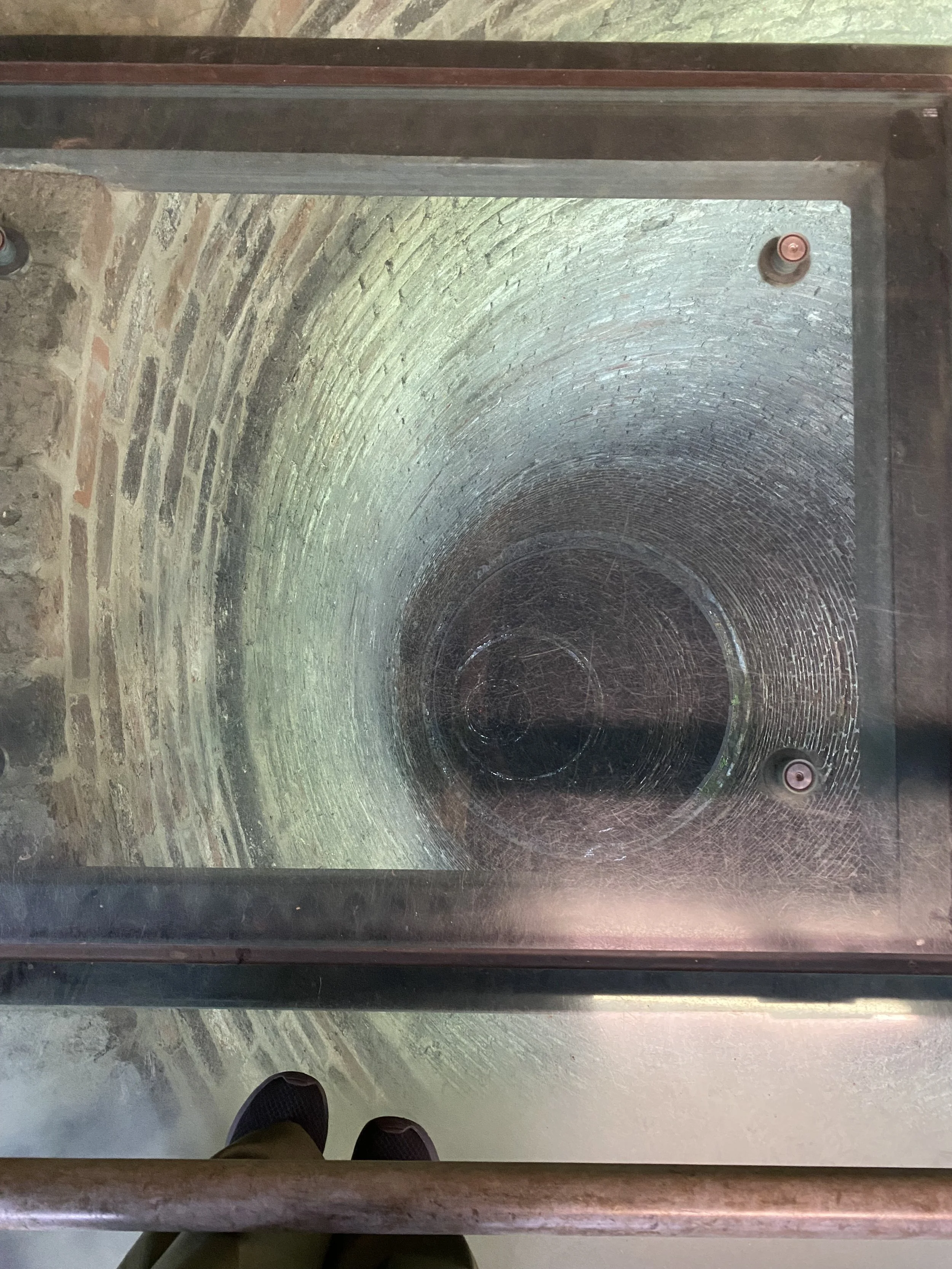
This research was extended through direct engagement with coalfield sites in Yorkshire, including time spent underground at the National Coal Mining Museum for England. Descending into the mine shifts the understanding of landscape from something observed to something inhabited, where the body moves through spaces shaped by industrial labour and geological time.
These encounters foreground the scale of absence produced through extraction, where entire seams of coal have been removed, leaving voids that remain materially and culturally present.
Material, Image, and Translation
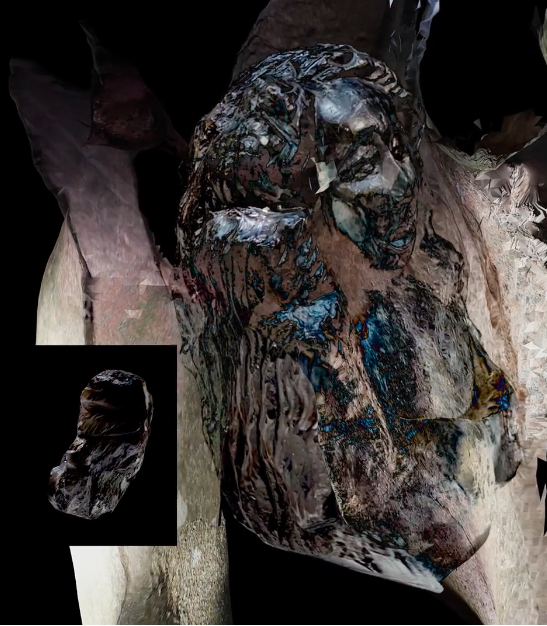
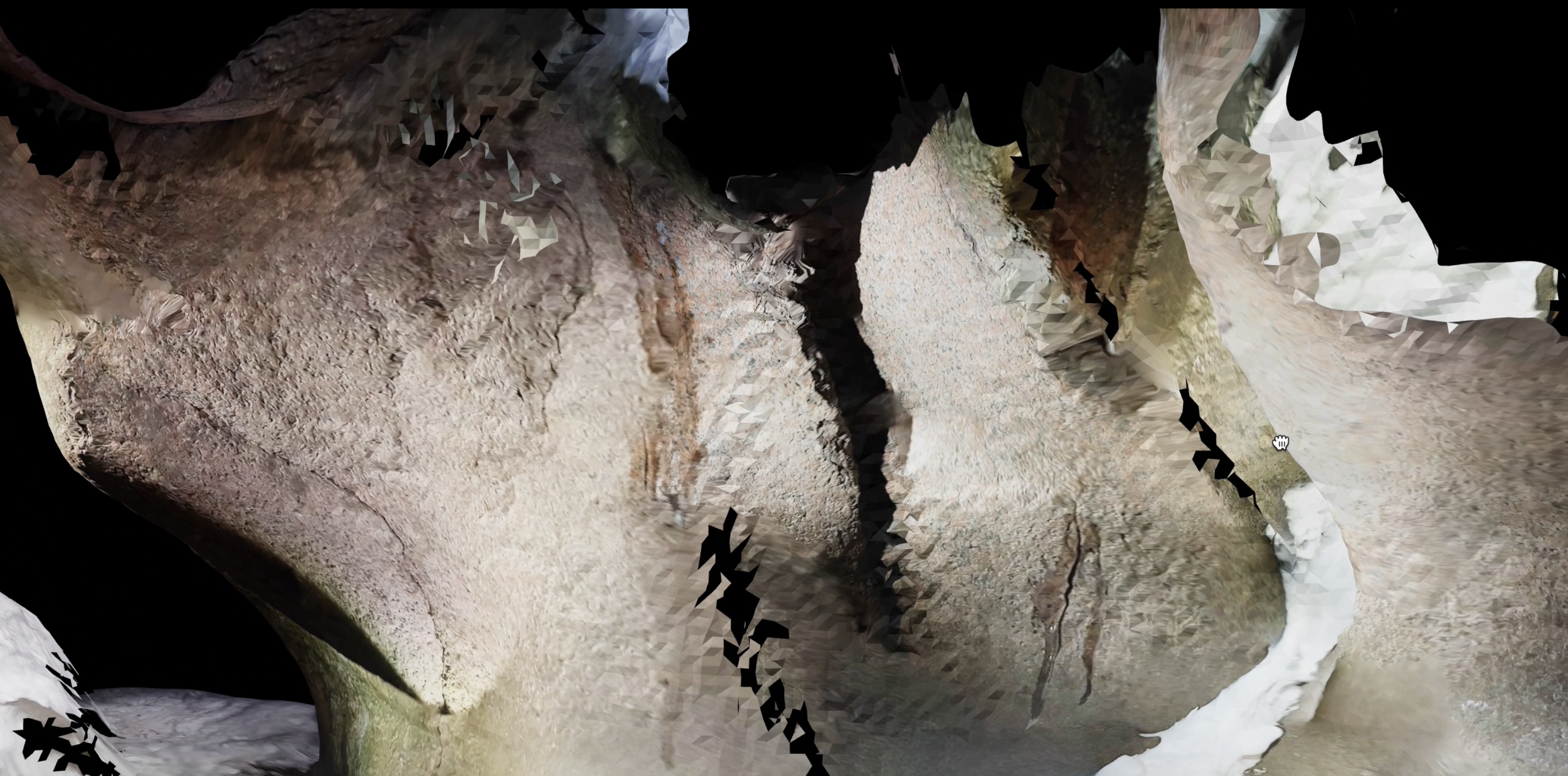
Across the project, geological material, archival imagery, and digital processes are brought into relation. LiDAR scans, photographic documentation, and historical records are translated into sculptural and moving image works, creating a dialogue between physical landscape and its representations.
This process reflects a broader cycle in which the earth is:
• extracted as material
• recorded as data
• reconstituted as image and form
Through this, the work collapses distinctions between substance and representation, positioning coal as both subject and medium.
Myth, Landscape, and the Subsurface
Alongside scientific frameworks, the research draws on mythological and cultural narratives associated with the underground. References to sites such as Delphi and Hogberget Cave introduce alternative ways of understanding descent, positioning the mine within a longer history of symbolic and ritual engagement with the earth.
Rather than treating myth as illustrative, the project uses it as a method for re-reading extractive landscapes, where industrial spaces intersect with ideas of the underworld, transformation, and the unknown.
Ongoing Questions
• How has geological knowledge shaped the extraction and perception of landscape?
• What remains after material has been removed?
• How can absence be translated into form, image, and experience?
• What does it mean to encounter the ground as both resource and void?
Towards Coalfields
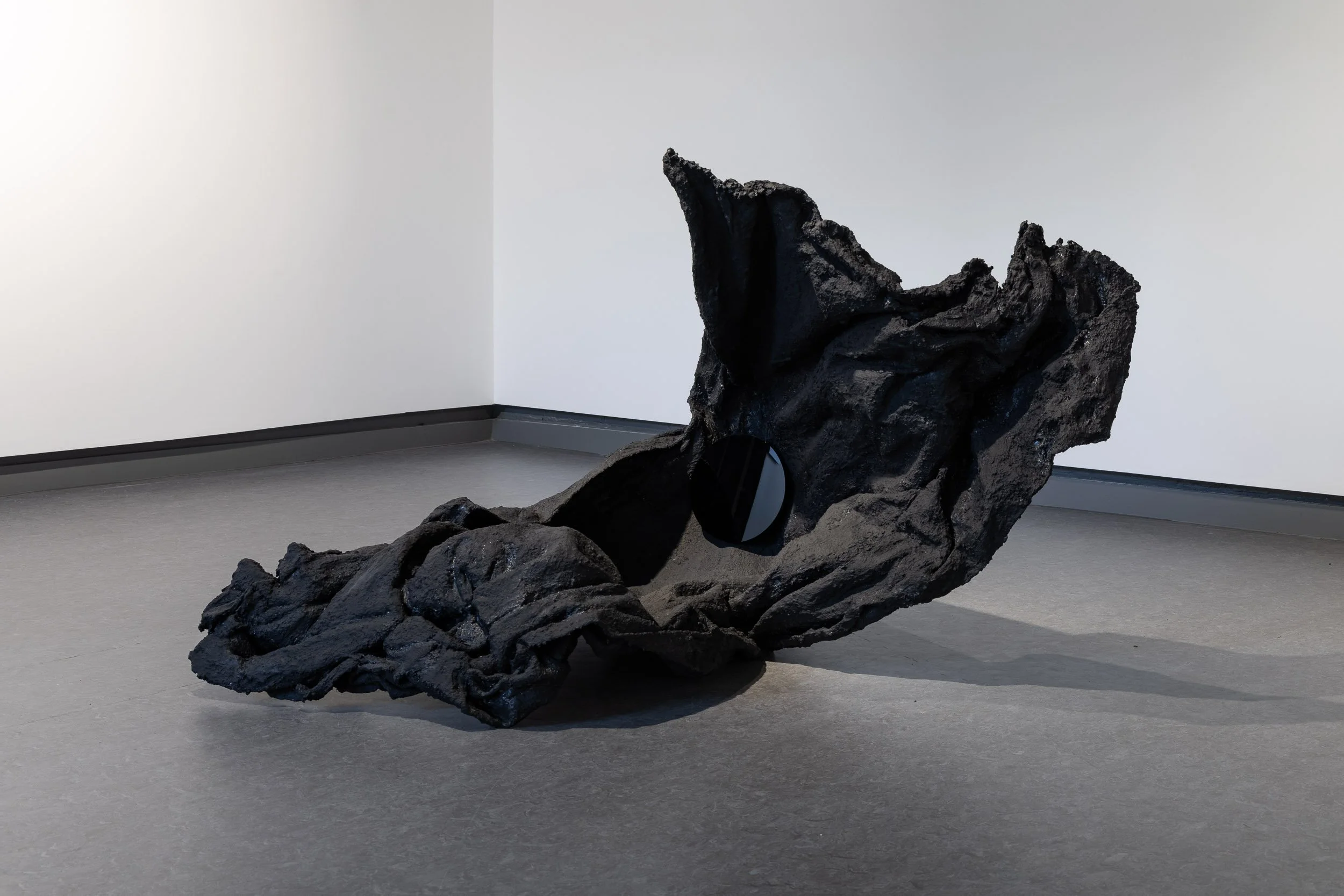
This research underpins Coalfields as a body of work that moves between archive, site, and studio. By bringing together geological science, industrial history, and mythological frameworks, the project reinterprets mining landscapes as sites of absence, transformation, and ongoing consequence.
In this research-led project, coalfields are understood not only as places of past industry, but as monuments to extraction, where the removal and combustion of fossil fuels continue to shape ecological and climatic conditions in the present.